


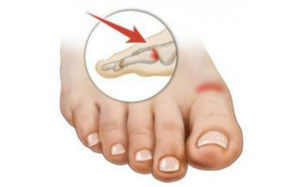
Hallux Limitus
Stiffness of the big toe joint is termed Hallux Limitus. Hallux is the medical term for the big toe. When the big toe possesses no motion, it is termed Hallux Rigidus.
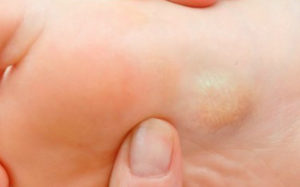
Lumps and Bumps on the Bottom of the Foot
There are a number of different causes of lumps and bumps on the bottom of the foot. Working from the toes to the heel:
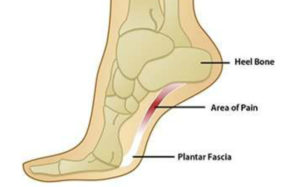
Plantar Fasciitis – Arch Pain
Plantar fasciitis is an inflammation of a thick, fibrous ligament in the arch of the foot called the plantar fascia.If this ligament is stretched excessively it will become inflamed and begin to cause pain.
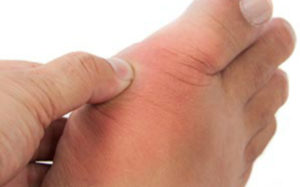
Arthritis in the Big Toe Joint
Stiffness of the big toe joint is termed Hallux Limitus. Hallux is the medical term for the big toe. When the big toe possesses no motion, it is termed Hallux Rigidus.
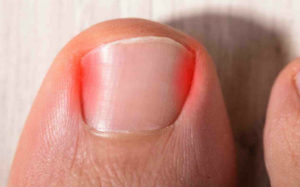
Ingrown Toenails
Ingrown toenails are due to the penetration of the edges of the nail plate into the soft tissue of the toe. It begins with a painful irritation that often becomes infected.
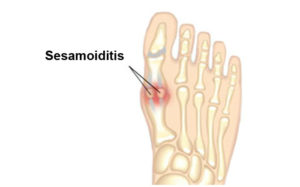
Sesamoiditis
Sesamoid bones are commonly found in and around joints. While sesamoid bones can be found around any joint in the foot, they are consistently found within the joint of the great toe.